Is 5:2 Intermittent fasting (IF) for you? Find out here

You can shed fat easily and lose weight by practicing this type of intermittent fasting in addition to the benefit of regulating your hormones. It allows you to eat normally for a greater period of time and short periods for eating less. This pattern may be more conducive for many people. 

The 5:2 intermittent fasting simply means eating normally for 5 days of the week and eating less in the remaining 2 days. On the two fasting days, men should consume only 600 calories while women should do 500 calories. 

Who should and should not try intermittent fasting?

IF is generally safe for most healthy people. However, ill people would need to consult with their general practitioner before they embark on the program.

You are not a good candidate for IF if you are:

  • Pregnant or nursing a child (note that IF can help restore your body when you are done with nursing your child)
  • Diabetic. You must be under medical supervision 
  • Have eating disorders or at risk of developing one
  • a child or under 18, it must be done under strict supervision to avoid nutritional issues

You are a good candidate for IF if you are:

  • You currently eat unhealthily
  • Addicted to sugary foods or empty calories
  • Need a simple meal plan

What you can and cannot eat on the 5:2 fast diet:

Allowed foods:

  • Fresh vegetables 
  • Fresh fruits
  • Lean meat (eg. mutton, pork) and poultry
  • Fish and seafood
  • Low-fat dairy
  • Whole grains
  • Legumes (such as beans)
  • Nuts and seeds
  • Healthy fats (such as avocados, olive oil, coconut oil, flaxseed oil)
  • Limited sugary foods like honey

What to avoid:

  • Fast foods
  • Deep fried foods
  • Artificial sweeteners
  • Sugary treats
  • Soda

On fasting days, eating less is what makes the program viable. And also, you should also take the opportunity to eat nutrient rich foods. And it doesn’t mean you shouldn’t eat 3 square meals. It’s just the amount of calories that matter. For example, egg toast with tomatoes is not calorie-packed but nutritious. It’s all about eating less.

IF has so many variations that it allows you to fit in and enjoy the benefits that come with it. It is important that we fast in order to optimize our health.

5:2 Intermittent fasting

How to do intermittent fasting (IF) properly for best results


Snacking is a habit that will destroy the healing concept that IF affords. Every little bite will spike insulin and store up sugar in the body as fat. So If you decide on IF, snacking is a no no. One of the biggest blockers of weight loss is snacking. 

To start IF it has to be in phases:


This has to do with easing the body into a form of dietary change with fasting playing a central role. We must understand that fasting simply means eating less both in quantity and frequency. Hence, eliminating snacks from your daily consumption is the first step. This means no cookies, soda, biscuit, candy, or even healthy snacks.

If interested in healthy snacks, one may have to eat them in meal proportions. This also goes for fruits and vegetables. If you are going to have them, they’d better be as a meal. For example, no one can snack on 6-9 cups of veggies per day, which is the required daily serving.


3 healthy square meals per day with no snacking 


To cope with fasting, cravings for food needs to be eliminated. Cravings are caused by eating high calorie or sugary diets. They cause hedonic effects on the brain. Meaning you always want more and not easily satisfied. And since they also spike insulin, it becomes easier to get hungry. So to effortlessly go through a fast, it is important we eat a diet that doesn’t spike insulin or get digested easily. Such are healthy fats and proteins.

Or we want to go low-carb high fiber like in legumes and vegetables, both food stimulates the satiety centers easily. Moderate amounts of fats, proteins and foods rich in fiber are important for this process. Abundant potassium in veggies will also help stabilize blood glucose. Fluctuating blood glucose cause tiredness and weakness.

Protein also helps to maintain energy levels through the day. Given the luxury of not getting hungry easily, it is crucial not to eat if you are not hungry. Once you can go up to 8 hours without any pinch of hunger, then you’ve mastered fasting.


Don’t eat high carbs go for low insulin spiking foods

Now that you understand the preparatory phases of fasting, we can now talk about the real thing. How long you take without food determines the kinds of benefits that will appear. It is important you have the goal to be healthy first before considering weight loss. This will help you take the process gradually. 


After stabilizing on 3 square meals per day for a couple of weeks, you can then up your game to deciding which IF plan meets your goals. Examples are 14 hrs of fasting and 10 hours eating window, 16 hrs, 18 hrs and 20 hrs of fasting. Some of these plans fall under two meals a day or one meal a day (OMAD).

The longer fasting window can help with weight loss if that’s one of your goals. You should note that IF fasting might not necessarily mean you must not meet your daily caloric intake.

If you don’t plan to lose weight you may maintain your daily intake (2000 calories for an average person). Fasting is not only restricted to eating less but when you eat is more important and don’t go overboard with what you need daily.

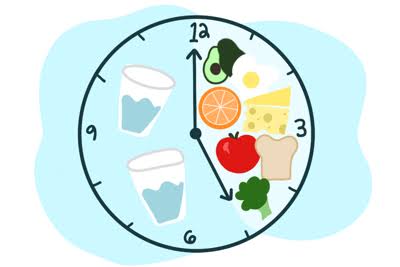
Follow the clock


It’s also important to hydrate well especially if you are an active person while fasting. Eat high fiber foods and take basic supplement to avoid deficiencies. Eating healthy varieties of food during your eating window will also help a lot.

Gradually transform to an efficient fast

10 Prediabetes signs to know before it’s too Late

  1. Elevated fasting insulin level
  2. Fatigue especially after a meal. Severe fatigue after a meal means an overwhelmed or broken carb metabolic machine. It is also a sign that the body cells are resistant to carbs. There has been a carb load overtime. Instead of the body converting the carbs into energy, they now use energy to dispose of excess carbs by converting it to triglycerides to control the excess sugar from damaging the brain. Low fat, high-carb diet elevates blood fat rather than high fat, low-carb diets.
  3. Poor wound healing
  4. Numbness and tingling because of peripheral neuropathy and poor circulation because of excess glucose leaking out to the surrounding sugars which binds to water. And this causes swelling that eventually leads to amputation in type 2 diabetes
  5. Kidney damage related circulatory issues in the microvessel
  6. Blurred vision (retinopathy) and it’s also a microvessel disease
  7. Frequent urination 
  8. Digestive issues and bloating from dysbiosis 
  9. Joint pain and arthritis. Insulin resistance causes inflammation and weight gain
  10. Hunger and cravings happen when the body is in storage mode. The body can’t break down fat for fuel because of the high level of insulin which hinders energy accessibility

Signs 3, 4, 5, 6, 7 and 10 may fall on the scale for qualifying the progress of the ailment into full-blown diabetes. The other points to the warning signs of insulin resistance. 

Insulin’s role in Evaluating Prediabetic or Diabetic conditions

Prediabetes is the single greatest hidden health threat around the world. Prediabetes, also known to be caused by insulin resistance affects millions of people around the world. Insulin resistance is not a condition where you either have it or not, it happens gradually or in gradient.

The effect is that many prediabetic people are queuing up to join the already diagnosed diabetic patients in just 5 years, which increases the number of people who need diabetic treatment. 

Several reports have implicated insulin resistance as a leading cause of chronic illnesses like hypertension, Alzheimers and so on.  

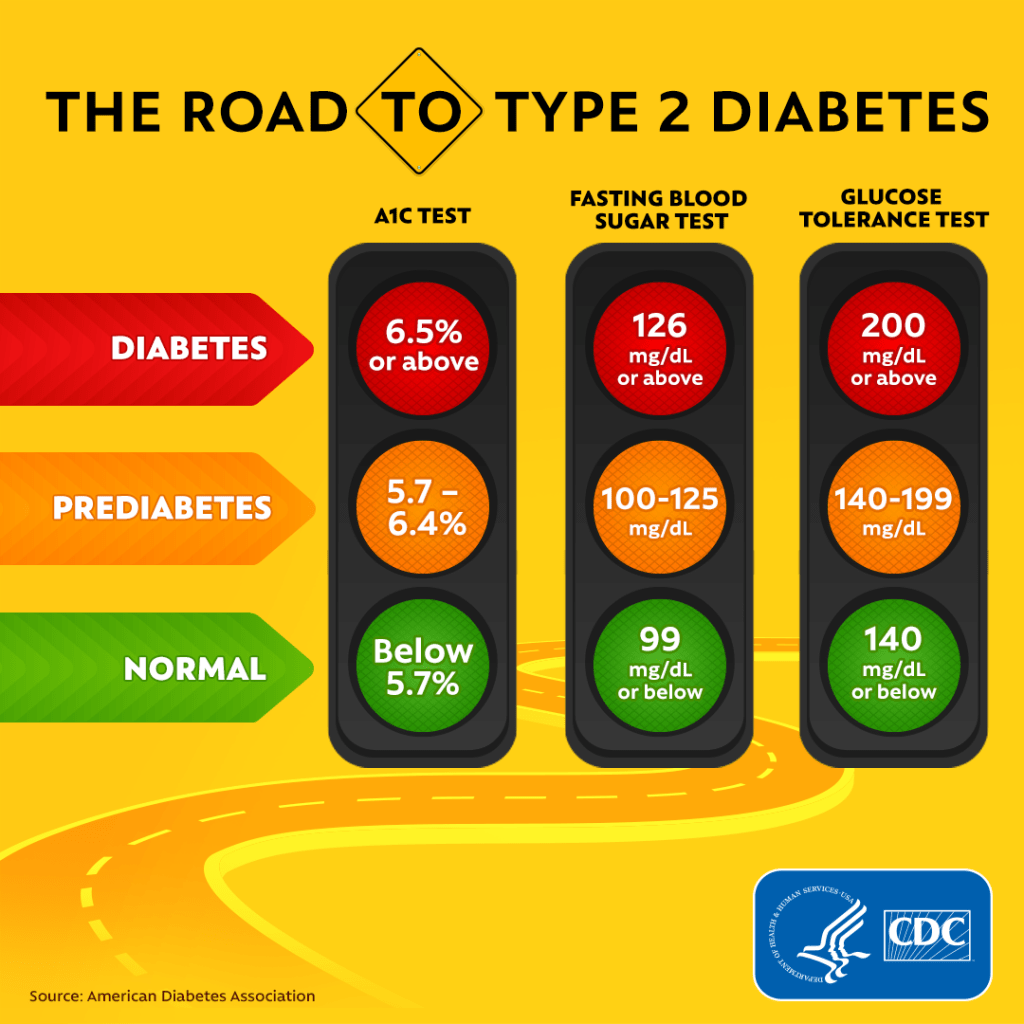
The scale used to determine prediabetes is the hemoglobin A 1C (HBA1C) test, and it measures the amount of blood sugar (glucose) attached to hemoglobin. Blood sugar has some of it bound to red blood cells and red blood cells live for about 3 to 4 months. This makes it the ideal test to know the level of your blood sugar in 3 to 4 months. It’s more reliable and stage this way.

Normal A 1C should be somewhere around 5 and anything less than 5.7 is normal. If over 5.7 but below 6.5, then it’s considered prediabetic and anybody over 6.5 has type 2 diabetes. 

And the reason it’s described as prediabetic is that about 75% of prediabetics will develop type 2 diabetes. Most people in that percentage will get diabetic in about 5 years. The effect is that many prediabetic people are queuing up to join the already diagnosed diabetic patients in just 5 years, which increases the number of people who need diabetic treatment. 

However, if those that are prediabetic can know on time and work on an optimal blood glucose level, we can reduce the number that transition into diabetes. Being aware of how tolerant or how the body handles glucose early can help prompt necessary lifestyle changes that can put a stop to this transition. Some factors that cause the massive momentum towards diabetes are eating sugar, high carbs and processed foods. And unless people change, the reason some won’t have diabetes yet will be because they are younger. The level at which young people think they can get away with not taking care of themselves early is alarming and they only have to abuse their bodies long enough before consequences appear. 

Almost everyone has a glucose or carb handling problem most of whom are not paying attention to the effects of high carb diets. 

A prediabetic will have a blood sugar that is higher than normal but not as high as diabetic (fasting glucose for prediabetic will be 100 to 125 mg/dl and A 1C will be 5.7 to 6.5 mmol/l).

90% of people with prediabetes don’t know that they have prediabetes because blood sugar is the common routine test done to determine diabetes. And this may not be helpful because the body regulates blood sugar level within a narrow range to provide energy for important organs like the brain. Multiple systems within the body raise the blood sugar when it’s low and lower it when it’s high in order to maintain a constant range (homeostasis). Because of this tight regulation, there are no disease manifestations until the regulatory system has completely failed.

Insulin measurement is the most accurate way of measuring blood glucose metabolism in the body because blood sugar can maintain a normal constant range for years without changing. Insulin measurement however will tell us the level of insulin produced to keep the blood sugar level down which makes it a true measurement of insulin resistance (prediabetes). The relationship between blood sugar level and insulin level will produce an accurate insight. If insulin level is about 2 to 3 times the level of blood glucose, it means the body works so hard to keep sugar level down, which will eventually blow up into a disease state.

Normal insulin range is between 2.6 to 25.

Bottom Line:

There are more people on the diabetic borderline in recent times than before. Hence, early detection could inhibit the rise of diabetic casualties significantly. It is important for people to know that simple lifestyle changes can provide easy solutions.

In addition, the paradigm for diagnosing diabetes has to change as people become more aware, and should also affect diabetic treatment in hospitals.

The treatment of type 1 & 2 diabetes may need to be reviewed because the standard treatment of administering insulin to lower blood glucose may not be ideal when compared to lowering blood glucose levels, which is better.

Policing Diabetes