Snacking is a habit that will destroy the healing concept that IF affords. Every little bite will spike insulin and store up sugar in the body as fat. So If you decide on IF, snacking is a no no. One of the biggest blockers of weight loss is snacking.
To start IF it has to be in phases:
This has to do with easing the body into a form of dietary change with fasting playing a central role. We must understand that fasting simply means eating less both in quantity and frequency. Hence, eliminating snacks from your daily consumption is the first step. This means no cookies, soda, biscuit, candy, or even healthy snacks.
If interested in healthy snacks, one may have to eat them in meal proportions. This also goes for fruits and vegetables. If you are going to have them, they’d better be as a meal. For example, no one can snack on 6-9 cups of veggies per day, which is the required daily serving.
3 healthy square meals per day with no snacking
To cope with fasting, cravings for food needs to be eliminated. Cravings are caused by eating high calorie or sugary diets. They cause hedonic effects on the brain. Meaning you always want more and not easily satisfied. And since they also spike insulin, it becomes easier to get hungry. So to effortlessly go through a fast, it is important we eat a diet that doesn’t spike insulin or get digested easily. Such are healthy fats and proteins.
Or we want to go low-carb high fiber like in legumes and vegetables, both food stimulates the satiety centers easily. Moderate amounts of fats, proteins and foods rich in fiber are important for this process. Abundant potassium in veggies will also help stabilize blood glucose. Fluctuating blood glucose cause tiredness and weakness.
Protein also helps to maintain energy levels through the day. Given the luxury of not getting hungry easily, it is crucial not to eat if you are not hungry. Once you can go up to 8 hours without any pinch of hunger, then you’ve mastered fasting.
Don’t eat high carbs go for low insulin spiking foods
Now that you understand the preparatory phases of fasting, we can now talk about the real thing. How long you take without food determines the kinds of benefits that will appear. It is important you have the goal to be healthy first before considering weight loss. This will help you take the process gradually.
After stabilizing on 3 square meals per day for a couple of weeks, you can then up your game to deciding which IF plan meets your goals. Examples are 14 hrs of fasting and 10 hours eating window, 16 hrs, 18 hrs and 20 hrs of fasting. Some of these plans fall under two meals a day or one meal a day (OMAD).
The longer fasting window can help with weight loss if that’s one of your goals. You should note that IF fasting might not necessarily mean you must not meet your daily caloric intake.
If you don’t plan to lose weight you may maintain your daily intake (2000 calories for an average person). Fasting is not only restricted to eating less but when you eat is more important and don’t go overboard with what you need daily.
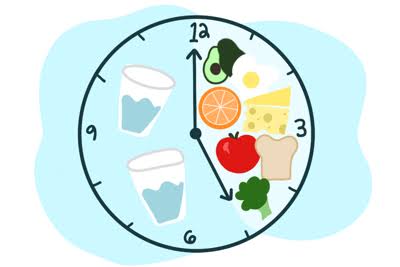
Follow the clock
It’s also important to hydrate well especially if you are an active person while fasting. Eat high fiber foods and take basic supplement to avoid deficiencies. Eating healthy varieties of food during your eating window will also help a lot.
Gradually transform to an efficient fast

 Beautiful Health